Image: Shutterstock
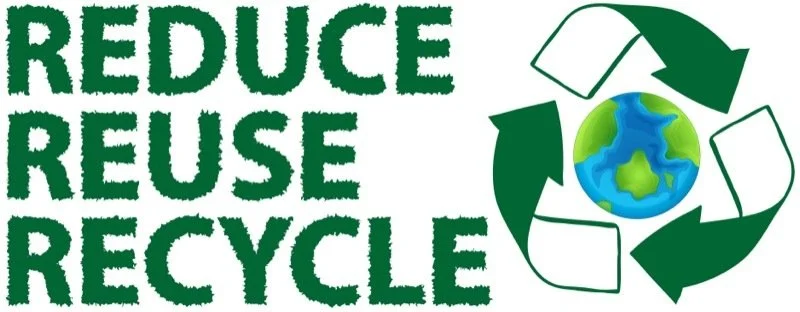
The R’s for Waste Management
The three R's of the environment, which form the foundation of sustainable waste management, are Reduce, Reuse, and Recycle. This hierarchy prioritizes actions to minimize waste and conserve natural resources. By following these principles in order of priority (reduce first, then reuse, then recycle), individuals and communities can significantly lessen their environmental impact, conserve natural resources, and help protect the planet for future generations.
Reduce:
This is the most effective and important step in the waste hierarchy, focusing on minimizing the amount of waste generated in the first place. This involves making conscious choices to consume less and use resources efficiently.
Reuse:
The second R involves finding new uses for items or using them multiple times before discarding them. Reusing items extends their lifespan and reduces the demand for new products and the energy needed to manufacture them.
Recycle:
This is the final R, where waste materials are processed into new products to prevent them from ending up in landfills or incinerators. While crucial, it is less environmentally friendly than the first two R's because it still requires energy and resources to process materials.
How to do it:
Be mindful before you shop and avoid unnecessary purchases.
Reduce food waste by planning meals and buying only what you need.
Turn off lights and unplug devices when not in use to save energy.
How to do it:
Use refillable items like water bottles, coffee cups, and printer cartridges.
Turn old clothes into cleaning rags or craft materials.
Repurpose items like glass jars into storage containers or pen holders.
Donate unwanted furniture or appliances to reuse schemes.
How to do it:
Separate waste into specific recycling bins for materials like paper, plastic, glass, and metal.
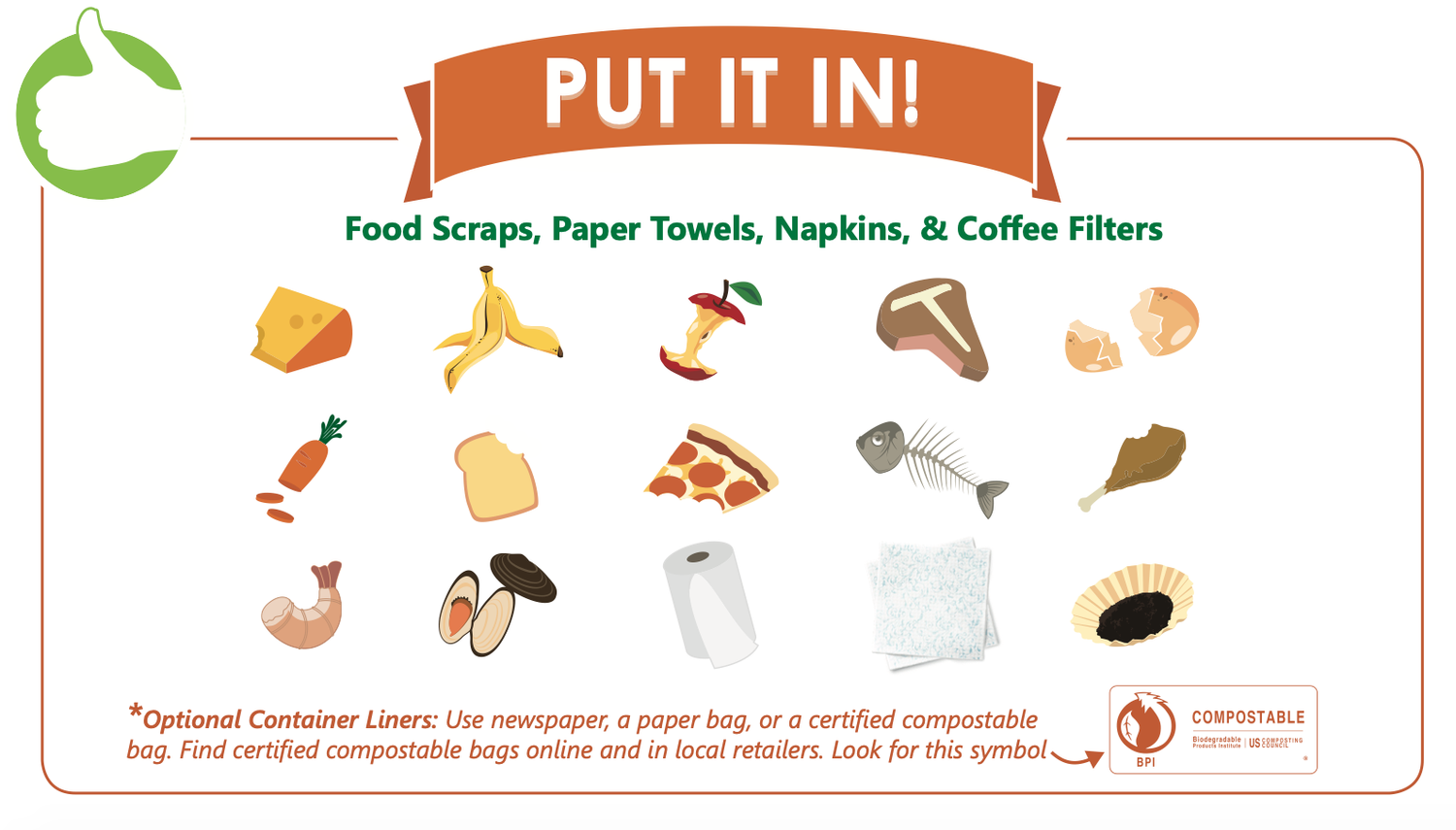
Compost food scraps and garden waste.
Find local drop-off locations for items that aren't collected curbside, such as toner cartridges.
It is important to check with your local municipality for specific guidelines on what can and cannot be recycled in your area.
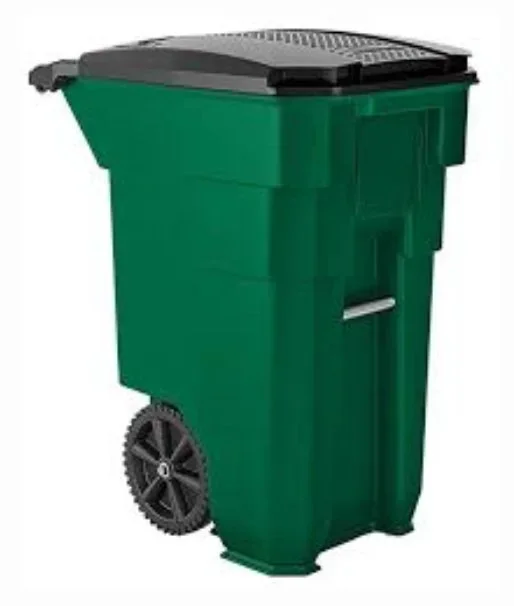
Recycling at KUUF!
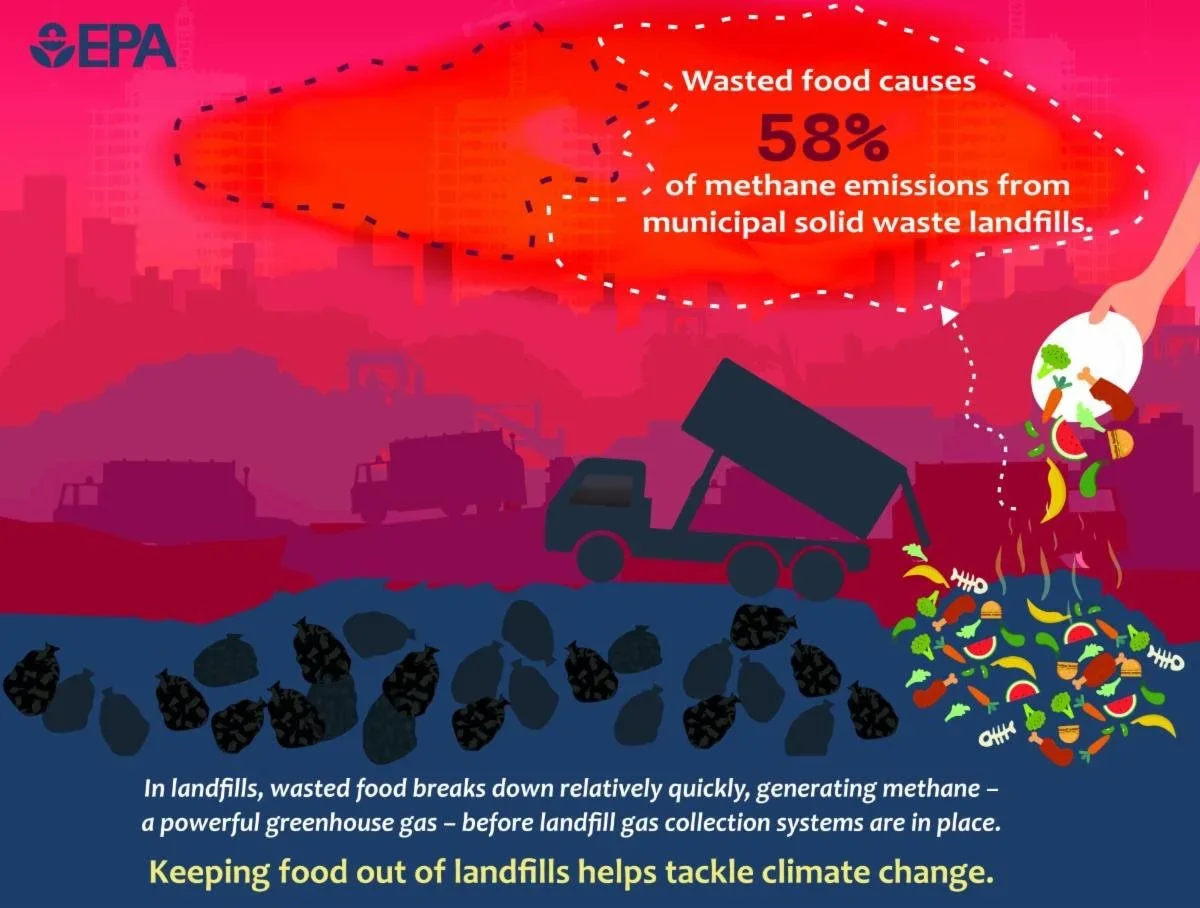
KUUF has a food and yard waste bin! Waste Management picks it up every two weeks and turns it into soil enhancing compost. When food goes to the landfill and rots, it produces methane—a greenhouse gas even more potent than carbon dioxide. Please help us in greening our fellowship!
Mixed Recycling! Do your part to recycle! The blue and gray bin are for clean, mixed recycling.
Please visit Recycle Right in Kitsap County for more information.
Challenge from the Social Justice Committee: Change Food Habits
Looking to make an easy household switch in the new year that can have a significant impact on your individual contribution to climate change? Then look no further than the food you eat.
According to the United Nations, about a third of all human-caused greenhouse gas emissions is linked to food. From synthetic fertilizers, cow farts, and refrigeration to transportation, packaging and landfilled food -- these are just some of the components that generate carbon dioxide and methane gas emissions.
Here's what you can do:
Eat less meat by cutting portion sizes or choosing a day(s) of the week to eat only plant-sourced food.
Throw out less food. Check out these suggestions and give unopened food before it expires to your local food bank.
Keep food discards out of the trash by composting produce and plant matter at home. Use curbside yard/food waste bins to compost food, plants, and yard debris.