RADICAL INCLUSION
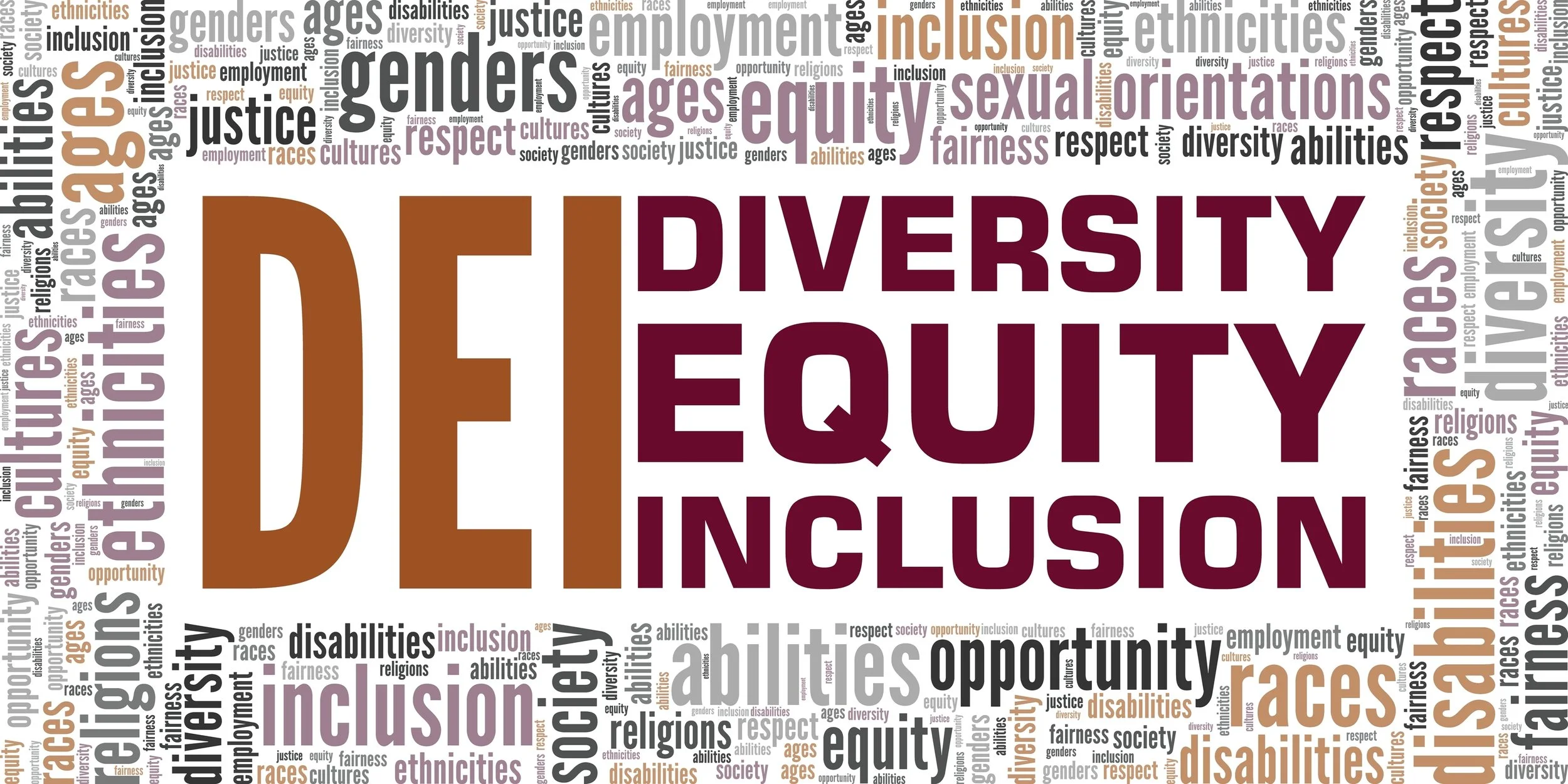
Image: Shutterstock
INTRODUCTION
Radical inclusion means actively creating and transforming systems to ensure that everyone, especially those from marginalized groups, is fully and equitably included in opportunities, representation, and participation. It goes beyond mere tolerance to actively celebrating diversity, challenging exclusionary norms, and providing the necessary support and accommodations for individuals to thrive in all aspects of life, from workplaces to schools and communities.
KEY COMPONENTS OF RADICAL INCLUSION
Proactive and comprehensive
It involves fundamentally changing systems rather than just making small adjustments.
Beyond tolerance
It shifts from a model of simply tolerating or assimilating people to one that genuinely values and integrates their unique experiences.
Focus on systemic change
The goal is to remove barriers that lead to exclusion and create environments where all individuals have agency and can succeed.
Addressing diverse identities
This includes inclusion for people of all ages, races, genders, sexualities, abilities, and other identities.
Ensuring equitable participation
It ensures that marginalized individuals are not just invited, but are welcomed, supported, and have the tools to participate fully and succeed.
Shifting the narrative
It involves changing perceptions to focus on individuals' strengths, potential, and contributions, rather than their challenges.
EXAMPLES IN PRACTICE
Workplace
Providing equal pay, protection from harassment, opportunities for advancement, and valuing diverse perspectives.
Education
Creating policies and environments that make schools accessible to and inclusive of all children, regardless of their background or ability.
Community
Ensuring that all community spaces and events are welcoming and accommodating for everyone, including those with intellectual disabilities.
Libraries
Creating a judgment-free space where everyone can use the resources without criticism or pressure to conform.