Resistance
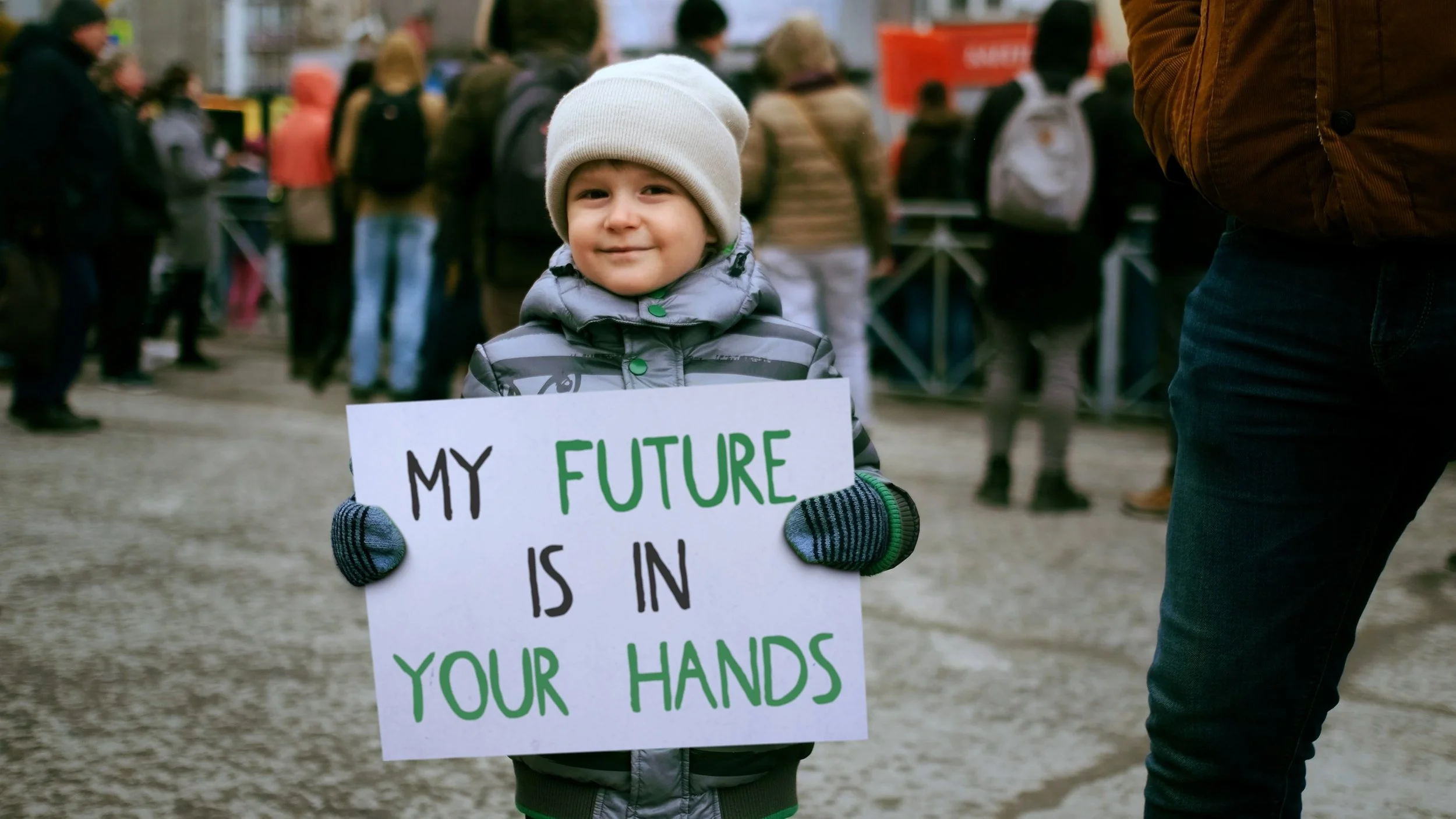
Image: Shutterstock
Introduction
"Resistance to save democracy" refers to the actions, efforts, and strategies undertaken by citizens and institutions to defend and strengthen democratic principles against authoritarian threats. This "democratic backsliding" can occur gradually from within, often through the erosion of norms and institutions by elected leaders.
Common Threats That Inspire Resistance
Resistance movements typically mobilize in response to specific actions that undermine the integrity of a democratic system:
Subverting Election
Measures such as voter suppression, gerrymandering, or questioning legitimate election results weaken the electoral process.
Eroding institutional checks and balances
Elected leaders may weaken the powers of the legislature, pack courts with allies, or threaten judicial independence to consolidate power.
Restricting freedoms
Authoritarian-style leaders often target a free press, harass journalists, and limit civic and civil liberties to suppress dissent.
Spreading misinformation
The proliferation of disinformation and propaganda online is used to sow distrust, polarize the population, and undermine democratic institutions.
Inciting political violence
Encouraging or tolerating violence against political opponents, minorities, or journalists creates a hostile political environment.
Forms of Resistance
Resistance to save democracy takes many forms, adapting to the specific threats it faces.
Non-violent civil resistance
Tactics can include peaceful protests, boycotts, and organized non-cooperation with autocratic policies.
Institutional pushback
Actions like legislative bodies modernizing rules to prevent abuses, or judges enforcing the rule of law to protect constitutional limits.
Public education and advocacy
Initiatives by organizations like the American Bar Association and the League of Women Voters aim to build public trust in elections, promote civic engagement, and defend voting rights.
Online engagement
Digital activism and the use of social media can help mobilize supporters, counter disinformation, and increase civic knowledge.
Who carries out resistance?
Civil Society Organizations (CSOs)
Non-profit organizations, advocacy groups, and other organized public bodies work to mobilize collective action and hold governments accountable.
Active Citizens
Regular people can engage in various forms of resistance, from political participation like voting and volunteering to grassroots movements and non-violent protests.
Independent Institutions
The judiciary, independent media, and government agencies play a crucial role by standing up to attempts by elected leaders to expand power beyond legal and constitutional limits.
Opposition Parties
Political parties that oppose authoritarian-leaning leaders can use institutional channels, like legislative procedures, to protect democratic norms.